
Hoarding Cleanup in Santa Barbara CA — Biohazard Remediation for Severe Conditions
Hoarding cleanup in Santa Barbara crosses into biohazard territory when accumulated conditions include rodent or insect infestation, animal or human waste, mold growth, or sewage exposure — all of which California classifies as trauma scene waste subject to the same handling, disposal, and documentation requirements as crime scene remediation. Fixr reports hoarding cleanup at $25–$150 per hour, with BioRecovery.com (updated August 2026) placing severe hoarding projects with biohazards at $5,000–$20,000+. The range reflects how widely scope varies: a contained single-room accumulation with rodent droppings is categorically different from a multi-room property with structural contamination, standing waste, and compromised flooring systems.
Call now for a free on-site assessment: 123-456-7890
Work is performed by independent professionals.
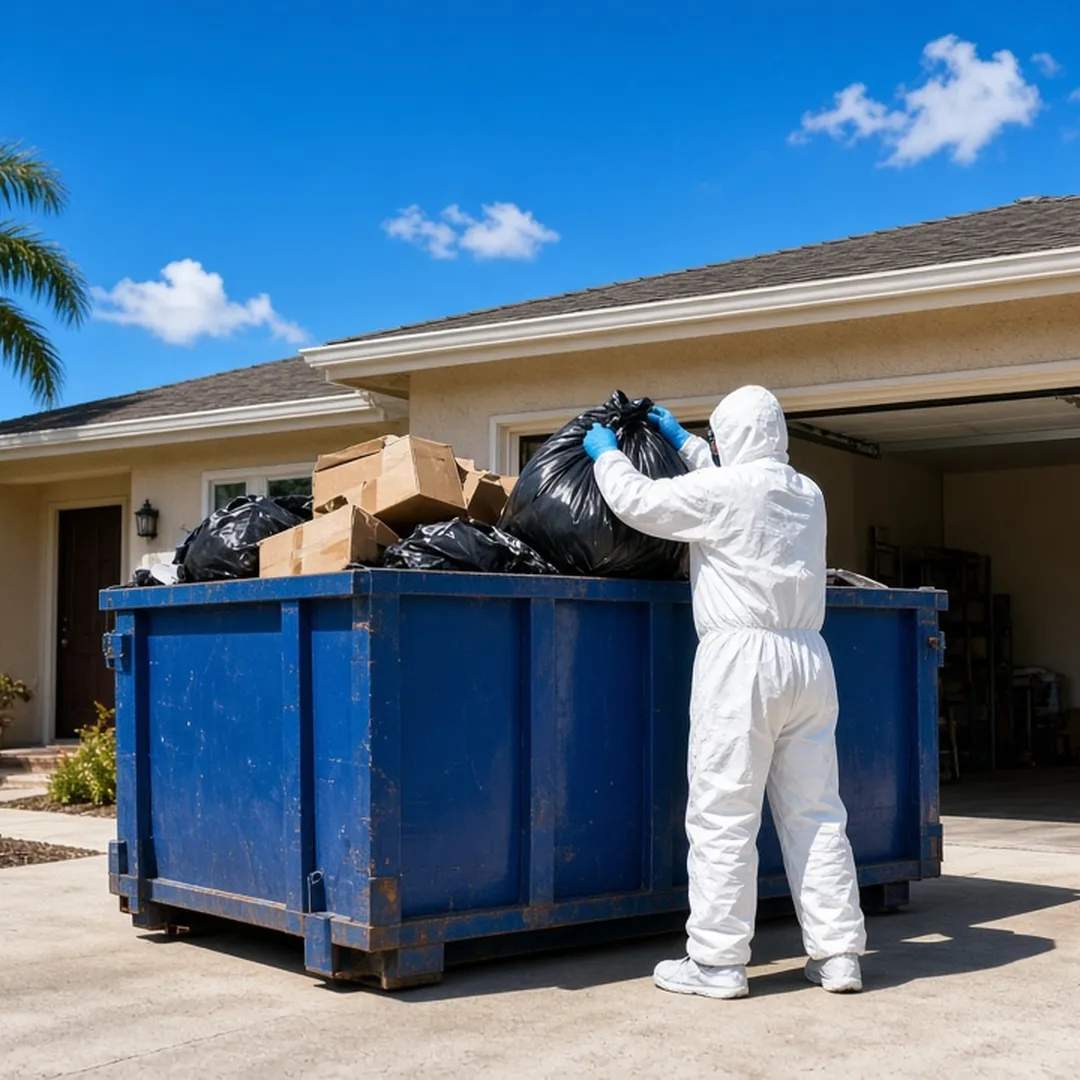
What Makes Hoarding Cleanup a Biohazard Situation
Not every hoarding property requires biohazard remediation. Many hoarding situations involve general debris removal — clutter, old furniture, accumulated paper goods — that falls outside biohazard classification. The following conditions trigger biohazard protocol:
Rodent and insect infestation: Rodent droppings, nesting material, and carcasses carry hantavirus, leptospirosis, and salmonella. Cockroach accumulation produces allergens associated with respiratory conditions. We treat infested areas as biohazardous material throughout the removal process.
Animal waste accumulation: Properties housing large numbers of animals — dogs, cats, birds, rodents — accumulate waste that saturates flooring and subfloor systems and, over time, compromises structural framing. Animal hoarding situations almost always involve subfloor remediation.
Human waste and sewage: When plumbing becomes inaccessible or non-functional in a severe hoarding environment, human waste may accumulate in ways that contaminate flooring, walls, and adjacent rooms. This is Category 3 black water — the same classification as sewage backup.
Mold growth: Accumulated organic material, blocked ventilation, and in coastal Santa Barbara, seasonal humidity from the November–March wet season create conditions for significant mold colonization in hoarding properties.
Deceased persons or animals: Properties where a death occurred as part of a hoarding situation require coordination with the Sheriff-Coroner's Bureau and full crime scene / unattended death protocol before the broader hoarding remediation begins.
Hoarding Cleanup in Santa Barbara's Older Housing Stock
Santa Barbara County's median construction year is 1974, with 60% of housing units built before 1980. Original hardwood floors, plaster walls, and older HVAC systems in these properties absorb biological waste more deeply than modern construction — and severe hoarding in a pre-1980 home almost always involves subfloor damage that requires removal.
The county's rental and vacation property inventory adds a specific challenge: hoarding situations in rental properties are frequently discovered during a tenancy transition, when the scope of accumulation becomes clear for the first time. California tenant privacy protections limit how frequently a landlord can inspect an occupied unit, which means conditions can develop over years before being addressed.
Our Hoarding Cleanup Process
We approach every hoarding situation with the same sequence, adjusted for what the on-site assessment reveals.
First, we conduct an on-site assessment to categorize the contamination and identify every biohazard condition present. This step determines whether the project is general debris removal with biohazard components or a full biohazard remediation — and it determines scope and cost before any work begins.
Second, we establish a work plan and containment strategy. Biohazardous areas are contained separately from general debris areas so that non-contaminated material can be handled appropriately without escalating the disposal burden.
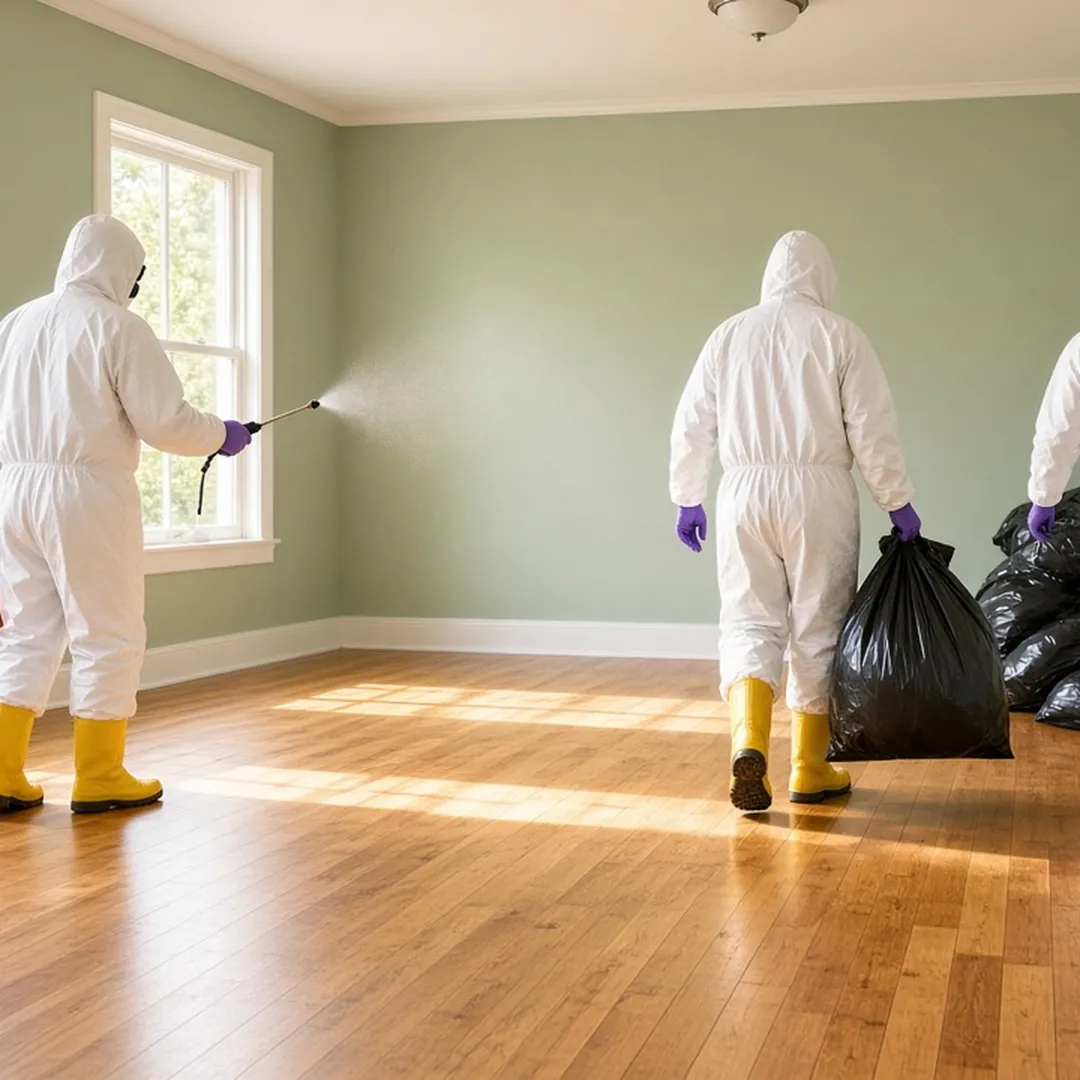
Third, we remove all biohazardous material first — rodent waste, animal waste, mold-bearing debris, and any other material classified as trauma scene waste — packaging it in DOT-compliant biohazard containers for transport through a California-licensed carrier. General debris removal follows under separate handling and disposal protocols.
Fourth, we treat all affected structural surfaces with EPA-registered antimicrobials rated against the pathogen profile present: rodent-borne pathogens, mold spores, and bacterial contamination from human and animal waste, as applicable.
Fifth, we address residual odor using hydroxyl generation — the only method that permanently eliminates the complex odor compounds produced by years of organic accumulation in an enclosed space.
Finally, we deliver full written documentation: scope of work, biohazard waste manifests, and post-remediation notes. This documentation is essential for insurance claims and for landlords who need to establish the property's condition for legal or tenancy records.
Sensitive and Discreet Service
We understand that hoarding situations are deeply personal and frequently involve family members in difficult emotional circumstances. We do not contact neighbors. We use unmarked vehicles on request. We work directly with whoever is coordinating the project — family members, property managers, estate attorneys, or social services — and maintain complete confidentiality.
We are not social workers, and we do not assess or comment on the occupant's circumstances. We assess the property's biohazard conditions and remediate them.
What Hoarding Cleanup Costs in Santa Barbara
Fixr reports hoarding cleanup at $25–$150 per hour. BioRecovery.com (updated August 2026) reports severe hoarding projects with biohazardous conditions running $5,000–$20,000+ depending on property size, contamination type, and structural involvement. Cost components include:
- Biohazard waste removal and disposal (licensed carrier, manifest documentation)
- General debris removal
- Structural material removal where floors, walls, or framing are contaminated
- Antimicrobial treatment
- Odor elimination
- Mold remediation (if mold assessment confirms need)
These are national ranges from Fixr (January 2025) and BioRecovery.com (August 2026). Final scope and pricing require an on-site assessment.
Frequently Asked Questions
Does hoarding cleanup require a CDPH-registered practitioner?
When the hoarding property contains biohazardous conditions — rodent droppings, animal waste, human waste, or deceased animals — the work falls under California's trauma scene waste management regulations and requires CDPH-registered practitioners for biohazardous material handling and disposal. General cleaning contractors are not licensed to handle or transport biohazardous waste in California.
How do you handle the non-biohazard debris?
We stage removal in phases: biohazardous material is separated and handled under biohazard protocol from the start. Non-hazardous debris — furniture, paper, general clutter — is handled under standard debris removal practices with separate disposal. We do not mix streams, which keeps disposal costs accurate and documentation clean.
Does homeowner's or renter's insurance cover hoarding cleanup?
Standard policies do not automatically cover hoarding cleanup, but policies with biohazard, pollution, or mold endorsements may provide partial coverage when the claim is properly documented. We provide full written documentation of the biohazard conditions and the remediation performed — documentation that supports any available insurance claim.
Can a landlord be required to pay for hoarding cleanup in a California rental?
California law requires landlords to maintain rental properties in habitable condition. When a tenant's hoarding creates conditions that violate habitability standards — rodent infestation, sewage accumulation, structural damage — the landlord has the right to remediate and may have grounds to seek cost recovery through security deposits or legal action, depending on the circumstances. We do not provide legal advice; we provide thorough documentation of the condition and the remediation scope.
How is mold handled in a hoarding property?
When the on-site assessment identifies significant mold growth, we address visible mold as part of the biohazard remediation. Properties with extensive mold may require a separate mold assessment by a licensed mold inspector before we begin — particularly in older pre-1980 structures where mold has penetrated framing and insulation. We'll tell you at the assessment if mold scope exceeds what biohazard remediation alone covers.
Biohazard Cleanup Santa Barbara