
Crime Scene Cleanup in Santa Barbara CA — CDPH-Registered Practitioners
Crime scene cleanup in Santa Barbara requires CDPH-registered trauma scene waste management practitioners — not general cleaning contractors. California law classifies blood, bodily fluids, and biological tissue as trauma scene waste subject to the same handling and disposal standards as medical facility biohazardous material. Every practitioner must carry state registration, and every job must be documented with chain-of-custody disposal records. Fixr puts crime scene cleanup at $400–$600 per hour nationally, with complex homicide and suicide scenes reaching $25,000 or more depending on scope and structural involvement.
Call now for a free on-site assessment: 123-456-7890
Work is performed by independent professionals.
What Crime Scene Cleanup Covers in Santa Barbara
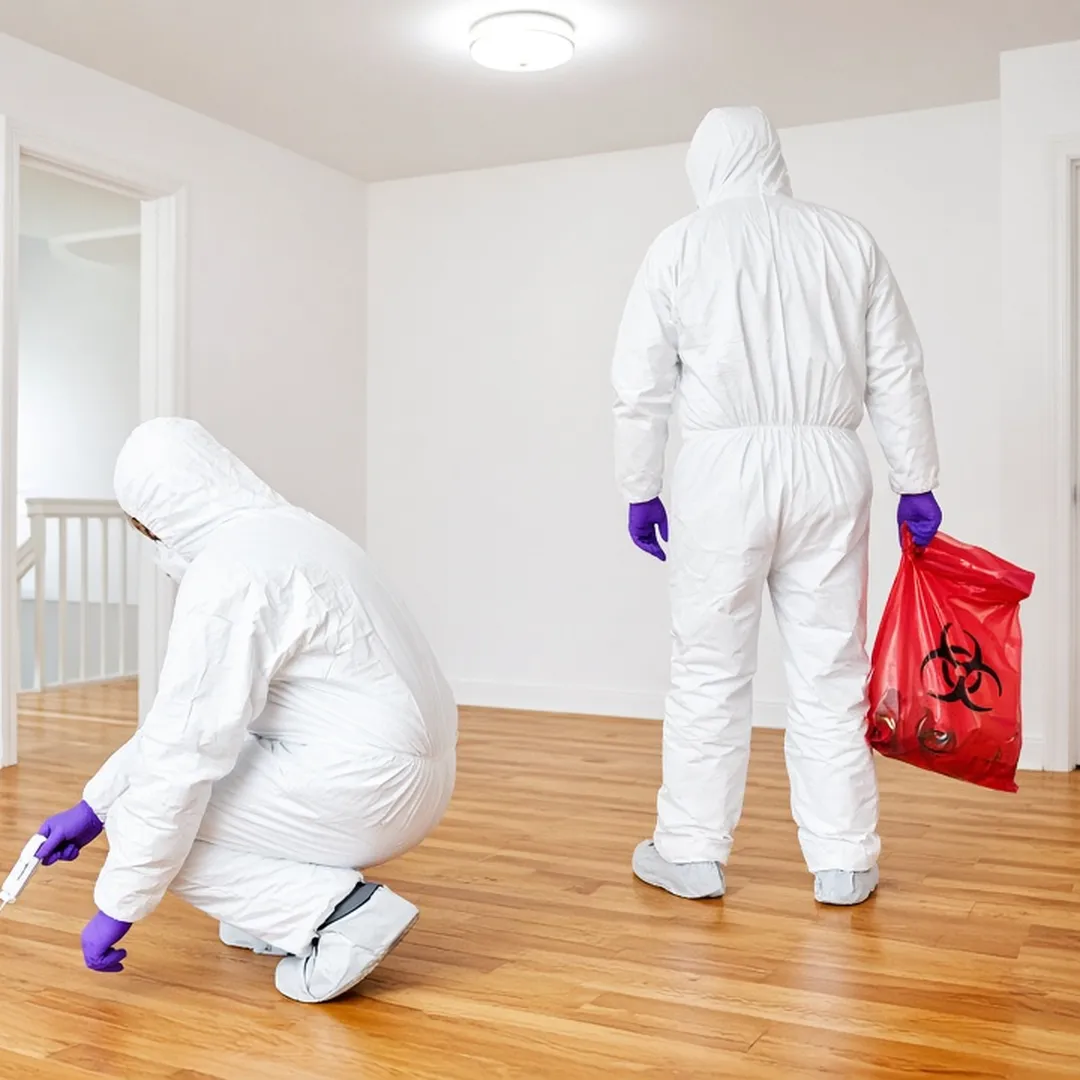
Crime scene cleanup addresses all biological contamination at homicide scenes, assault scenes, traumatic accident locations, and other trauma events involving blood, tissue, or bodily fluid exposure. The contamination category determines the scope — but the protocol is the same on every job: contain the area before any material is disturbed, remove all contaminated material completely, treat underlying surfaces with hospital-grade antimicrobials, and document everything for insurance and legal purposes.
Homicide and Violent Crime Scenes
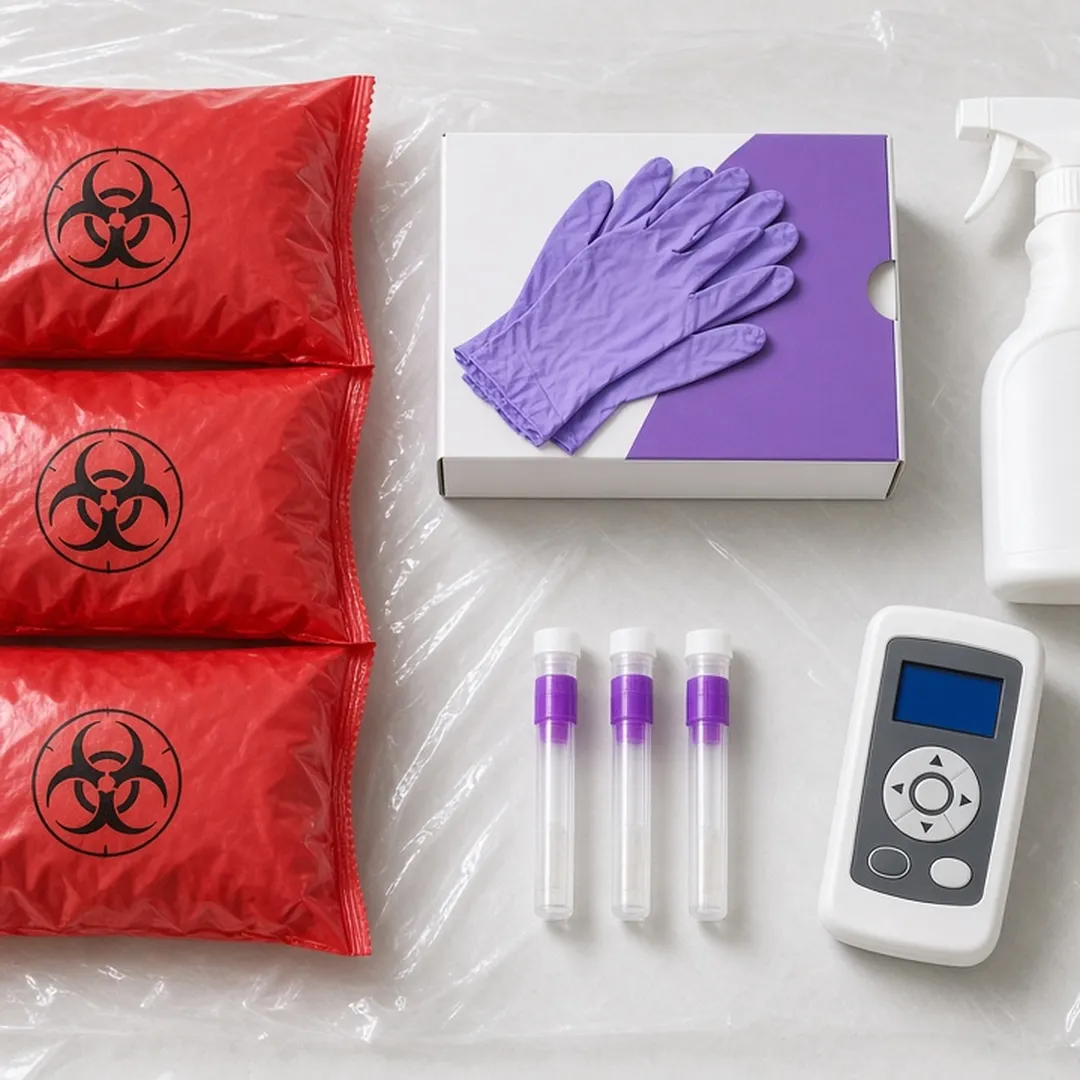
Homicide scenes involve blood and biological tissue that saturates porous surfaces within minutes. At Santa Barbara's typical construction vintage — original hardwood subfloors, plaster-over-lath walls, and aging grout in pre-1980 tile work — contamination penetrates below visible surfaces quickly. We assess the full depth of penetration before beginning remediation, using moisture meters and ATP testing to locate material that has wicked into flooring systems and wall cavities, then remove all affected material completely.
Assault and Trauma Scenes
Assault scenes and traumatic accident locations produce blood and bodily fluid contamination across surfaces that are not always obvious from a visual inspection. Splatter patterns extend beyond the immediate area, and fine aerosols from arterial bleeding cover surfaces throughout a room. We treat the entire affected zone, not just the points of obvious contact.
Vehicle Decontamination
Crime scenes and traumatic events frequently involve vehicles. We decontaminate vehicle interiors — including seats, carpet, headliner, air vents, and behind door panels — following the same OSHA 1910.1030 protocol used for structure cleanup. Contaminated vehicle materials are removed, packaged, and transported through a licensed biohazard waste carrier.
After Medical Emergencies
Blood and biological contamination from medical emergencies — cardiac events, significant falls, surgical situations — falls under the same California trauma scene waste standards as crime scenes. We respond to residential and commercial locations for any event involving significant blood exposure.
The Crime Scene Cleanup Process
Crime scene cleanup follows a defined sequence. Deviation from this sequence — particularly treating odor or surface stains before source material is fully removed — produces results that fail.
First, we assess the full scope of contamination at the site, including areas where fluids may have migrated beyond the visible scene perimeter. In Santa Barbara's older housing stock, this assessment step is critical — decomposition fluids and blood follow wood grain and seams into subfloor systems that appear unaffected from above.
Second, we establish full containment. This means sealed barrier systems around the work zone and negative air pressure differentials that prevent aerosols from moving into uncontaminated areas of the property. All technicians work in full PPE — Tyvek suits, N100 respirators, gloves, and eye protection — throughout the job.
Third, we remove all biohazardous material: surface contamination, saturated flooring layers, affected drywall or plaster, insulation, and any other porous material that cannot be fully decontaminated. Everything is packaged in DOT-compliant biohazard containers and transported to licensed disposal facilities through a California-licensed carrier, with documented chain-of-custody records.
Fourth, we treat all remaining surfaces with EPA-registered hospital-grade antimicrobials that cover the full bloodborne pathogen spectrum — HBV, HCV, HIV, MRSA, and other pathogens present in blood and biological tissue. The CDC notes that HBV survives outside the body for at least seven days on surfaces.
Fifth, we address residual odor using hydroxyl generators. Hydroxyl generation breaks down odor compounds at the molecular level rather than masking them with fragrance — the only method that produces permanent odor elimination.
Finally, we deliver written documentation: a scope-of-work report, photographs taken before and after, waste disposal manifests with facility names and permit numbers, and post-remediation notes. This package is what your insurance adjuster requires to process a biohazard cleanup claim.
California Legal Requirements at Crime Scenes
Scene Release
California law enforcement — whether SBPD, Santa Barbara County Sheriff, or another agency — must formally release the scene before any remediation work begins. We do not enter any location under active investigation. Once you receive written or verbal clearance from the investigating agency, call us and we can mobilize the same day.
CDPH Registration
California Health and Safety Code requires that all trauma scene waste management be performed by practitioners registered with the California Department of Public Health. Every practitioner must complete Form CDPH 8668A, maintain registration with the state, and transport all biohazardous waste through a contractor with a registered transporter permit. We are CDPH-registered trauma scene waste management practitioners.
CalVCB Reimbursement for Crime Victims
If a violent crime occurred in a residence or vehicle, the California Victim Compensation Board reimburses up to $1,709 for crime scene cleanup costs under Government Code § 13957(a)(9). CalVCB reimburses only work performed by CDPH-registered trauma scene waste management practitioners. We handle the documentation your CalVCB application requires. The filing window is seven years from the crime date — call us and we'll walk you through the process.
Real Estate Disclosure in California
California Civil Code § 1710.2 addresses death disclosure in real estate transactions. A death that occurred more than three years before a sale does not require disclosure. A death that occurred within three years requires disclosure to potential buyers, but the manner of death is not required to be disclosed — only the fact that it occurred. A seller cannot lie if directly asked about the manner of death. The physical condition of the property must always be disclosed regardless of when the event occurred.
Professional crime scene cleanup eliminates the physical evidence of contamination — which satisfies the condition disclosure requirement — and produces documentation showing the remediation was performed to CDPH standards.
What Crime Scene Cleanup Costs in Santa Barbara
Crime scene cleanup is priced by the hour in most cases, with scope determined by an on-site assessment. Fixr reports national rates of $400–$600 per hour for crime and trauma scene cleanup, with homicide and suicide scenes reaching up to $25,000. BioRecovery.com (updated August 2026) reports residential crime scene cleanup running $2,500–$8,000 for typical contained scenes.
The factors that drive cost up in Santa Barbara:
- Pre-1980 construction: plaster, original hardwood, and aging grout absorb more deeply and require structural removal rather than surface treatment
- Structural penetration depth: contamination that reaches below subfloors or into wall framing requires framing assessment and may involve a general contractor
- Time since event: contamination that sat for hours versus days involves significantly different scope
- Square footage affected: a contained bedroom scene is categorically different from a multi-room or multi-floor scene
All figures are national averages from Fixr (January 2025) and BioRecovery.com (August 2026), not Santa Barbara-specific quotes. We provide a firm price estimate after the on-site assessment, before any work begins.
Frequently Asked Questions
How soon can crime scene cleanup begin after the police clear the scene?
We can mobilize the same day law enforcement releases the scene. Call us as soon as you have clearance and we'll confirm a response window. We work 24 hours a day throughout Santa Barbara County.
Do we need to do anything before the cleanup crew arrives?
No. Do not attempt to clean any part of the scene before our arrival — disturbing biological material without full containment protocol spreads contamination and may compromise evidence if the investigation is not fully complete. Leave the area as it is.
Will the property look normal after cleanup?
We restore affected areas to a clean, safe condition. Sections of flooring, drywall, or other structural material that require removal will leave the property in a condition that requires finish work — patching, paint, new flooring — before the space is fully restored. We document the scope of removal clearly so you can coordinate with a contractor for the finish phase.
Will insurance cover crime scene cleanup?
California homeowner and commercial property policies cover biohazard remediation including crime scene cleanup. We document every job with photographs, waste disposal manifests, and a written scope of work — everything your adjuster requires. Call us before you contact your insurer and we'll walk you through the documentation process.
Can CalVCB reimburse victims for crime scene cleanup?
Yes. The California Victim Compensation Board reimburses up to $1,709 for crime scene cleanup costs at residences and vehicles when the work is performed by a CDPH-registered trauma scene waste management practitioner. We are registered, and we handle the documentation your application requires. The filing window is seven years from the crime date.
Biohazard Cleanup Santa Barbara